For years, businesses have focused heavily on marketing tools like reviews, branding, SEO, social media, and advertising to win customers. While these strategies are still important, something bigger is beginning to happen online: trust itself is becoming a competitive advantage.
Consumers today are more skeptical than ever. Fake reviews, online scams, misleading profiles, AI-generated content, and unreliable service providers have created an environment where many people simply do not know who they can trust anymore. Whether hiring a contractor, booking a cleaner, choosing a caregiver, or purchasing from a new company online, customers are constantly asking themselves one question:
“Can I trust this business?”
This growing uncertainty is creating a major shift in the marketplace. Businesses that can visibly prove credibility and trustworthiness are starting to stand out faster and convert customers more easily.
Traditionally, trust has always existed behind the scenes. Companies spend money on background checks, license verification, insurance, certifications, and compliance requirements to protect themselves internally. However, very few businesses have used that verified credibility publicly as part of their marketing strategy.
That is where the concept of “Trust Marketing” begins.
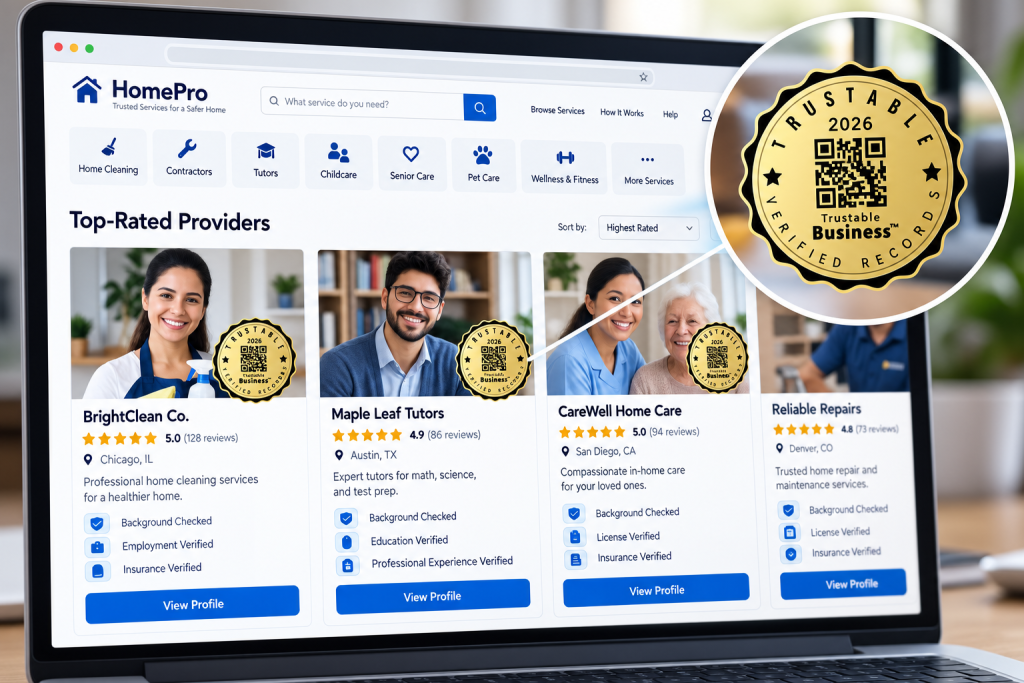
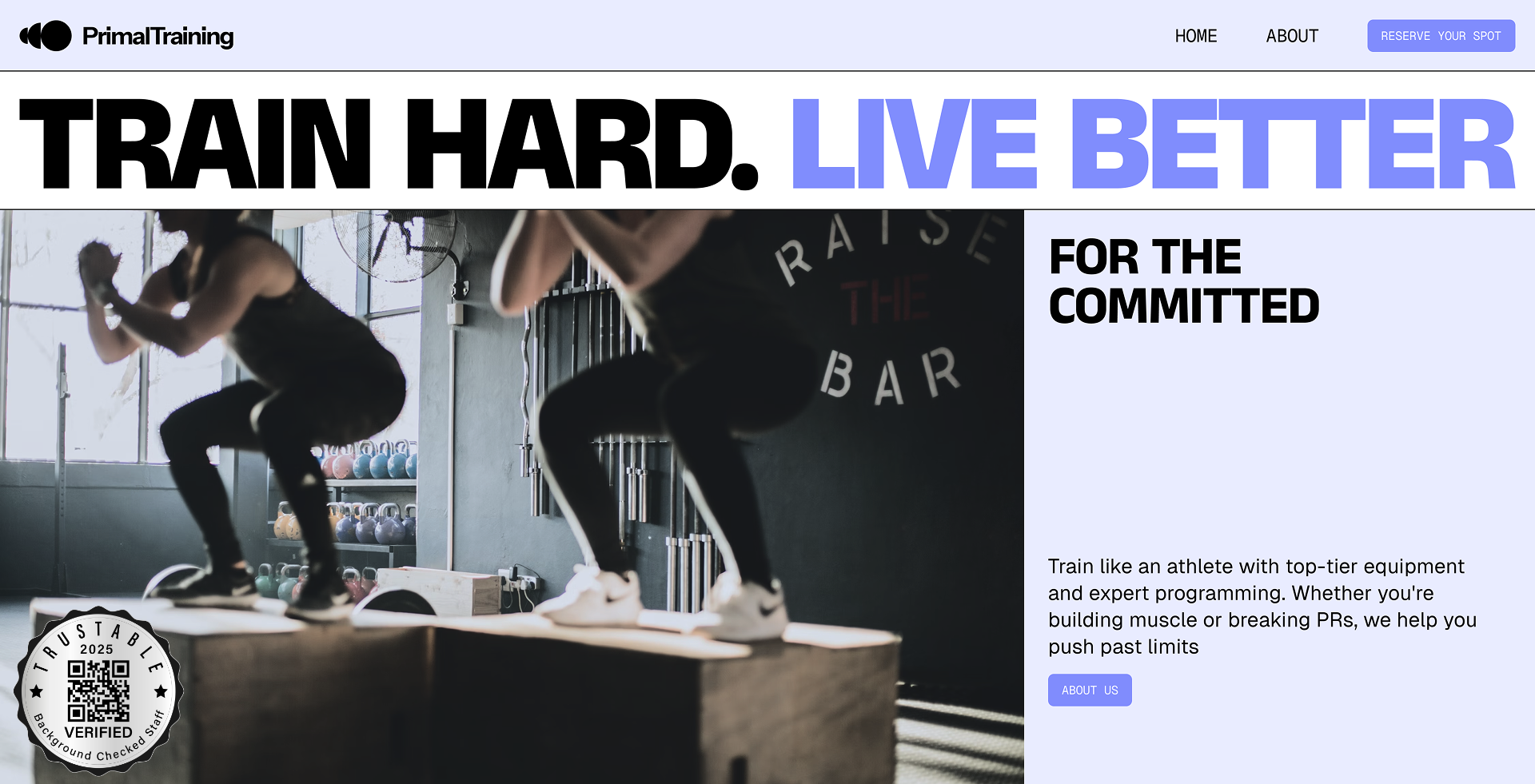
Trust Marketing is the idea that businesses should actively market verified credibility in the same way they market customer reviews, awards, or years of experience. Instead of keeping trust verification hidden in HR files or compliance systems, businesses can turn those trust signals into visible customer-facing assets.
This is especially important in industries where customers are inviting people into their homes or trusting businesses with sensitive or personal services. Home service businesses, cleaners, movers, caregivers, contractors, tutors, real estate professionals, freelancers, and gig workers all face the same challenge: reducing customer hesitation at the moment of intent—the point when a potential customer is ready to book, hire, or make a purchase, but may still have questions about whether they can trust the person or business they are considering. In these moments, demonstrating trust and credibility can make the difference between a customer moving forward or choosing someone else.
The reality is simple. People buy faster when they feel safer.
A verified trust badge or visible proof of screening can reduce uncertainty and increase confidence during the decision-making process. In many cases, customers are not only comparing price or reviews anymore — they are comparing risk.
Online reviews alone are also becoming less powerful than they once were. Many consumers now question whether reviews are real, manipulated, or incomplete. A 5-star rating may still help, but future consumers will increasingly ask deeper questions such as:
- Are the workers verified?
- Is this business legitimate?
- Has anyone checked their background?
- Can I trust this person in my home?
- Is this company who they claim to be?
As digital trust becomes more important, businesses that proactively answer those questions will likely gain a significant advantage.
We are entering a period where trust is becoming more visible online. Just as websites evolved to display customer reviews, security certificates, and verified social profiles, businesses may soon display verified credibility as a standard trust signal.
This shift creates an opportunity for forward-thinking companies. Instead of viewing background checks and verification only as compliance expenses, businesses can begin viewing them as marketing tools that help increase conversions, strengthen reputation, and create customer confidence.
In many ways, the internet is moving toward a “trust economy,” where verified credibility becomes part of a company’s brand identity.
The businesses that understand this early may have a powerful advantage in the years ahead.